

5083 H111
5083 H111 Questions Frequently Raised for Marine Fabrication
5083 H111 is a non-heat-treatable aluminum-magnesium alloy supplied with moderate strain hardening. It is widely specified for hull plating, deck structures, superstructures, tanks, gangways, and offshore components because it combines high corrosion resistance with useful forming and welding performance.
The following five questions reflect practical English-language Q&A topics commonly raised when comparing marine aluminum sheet and plate options. Answers focus on material selection, fabrication risks, and documents that should be confirmed before production.
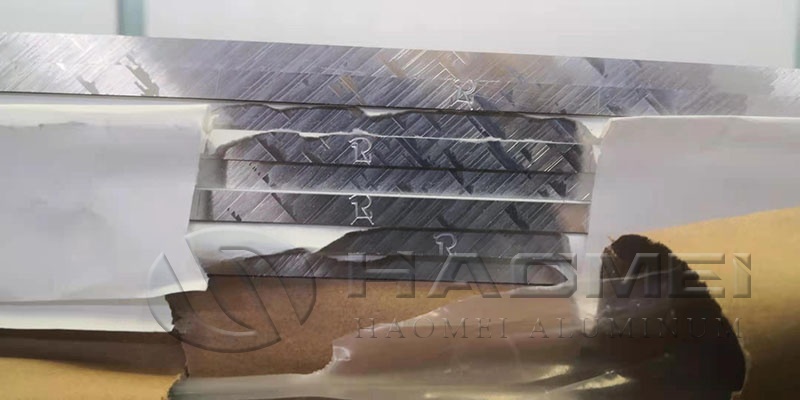
| Question area | What should be checked | Why it matters |
|---|---|---|
| Marine exposure | Alloy chemistry, temper, certification | Saltwater resistance depends on the full material specification |
| Thickness selection | Design load, panel spacing, corrosion allowance | A thicker sheet is not automatically the best structural choice |
| Welding | Filler wire, heat input, joint design | Welding changes the local mechanical condition |
| Certification | Mill test certificate, class approval scope | Project acceptance may require traceable documentation |
| Grade comparison | Strength, formability, availability | 5083 and 5086 can suit different vessel components |
1. Is 5083 H111 suitable for saltwater and marine hull applications?
Yes, 5083 H111 is generally suitable for saltwater service and is one of the most established aluminum alloys used in marine fabrication. Its relatively high magnesium content supports strong resistance to general seawater corrosion, making it appropriate for hull shells, decks, bulkheads, landing craft, fishing vessels, workboats, and offshore structures.
However, "marine grade" should not be treated as a complete specification. The temper, product form, welding procedure, drainage design, coating system, and service temperature all affect performance. Standing saltwater, trapped moisture, contact with dissimilar metals, and poor electrical isolation can create localized corrosion risks even when the base material is 5083.
For structural parts, specify the required standard and confirm whether the project needs class-related documentation from organizations such as LR, DNV, ABS, BV, or CCS. A mill test certificate should identify alloy, temper, thickness, dimensions, heat number, chemical composition, and mechanical test results. When corrosion resistance is the priority, an approved 5083 aluminum plate specification should also define surface condition and permitted repair practices.
2. What does the H111 temper mean in 5083 aluminum sheet?
H111 means the material has received a small amount of strain hardening during processing, but less controlled hardening than tempers such as H116 or H321. In practical terms, 5083 H111 offers moderate strength with good workability. It is often selected where bending, rolling, pressing, or shape correction is needed during fabrication.
H111 is not simply an interchangeable substitute for every other 5083 temper. H116 and H321 are frequently requested for marine plate because they are commonly associated with improved resistance to exfoliation corrosion in demanding marine environments. Whether H111 is acceptable depends on the engineering specification, plate thickness, vessel location, and certification requirement.
| Temper | Typical practical characteristic | Common consideration |
|---|---|---|
| H111 | Lightly strain-hardened, formable | Useful where fabrication flexibility is important |
| H116 | Strain-hardened and stabilized for marine service | Often requested for hull and deck plating |
| H321 | Stabilized after strain hardening | Common for marine structural applications |
| O | Annealed, softest condition | Best for severe forming, lower strength |
A fabricator should not select temper only by hardness. Check the minimum tensile strength, yield strength, elongation, bend requirement, and project-approved material standard.
3. What thickness of 5083 H111 aluminum sheet should I use for a boat or marine tank?
Thickness cannot be selected from alloy grade alone. The correct choice depends on panel span, stiffener spacing, design pressure, impact exposure, vessel speed, intended payload, welding layout, corrosion allowance, and applicable marine rules. A small utility boat side panel and a fuel tank wall may both use 5083, yet require very different thicknesses because their loading conditions differ.
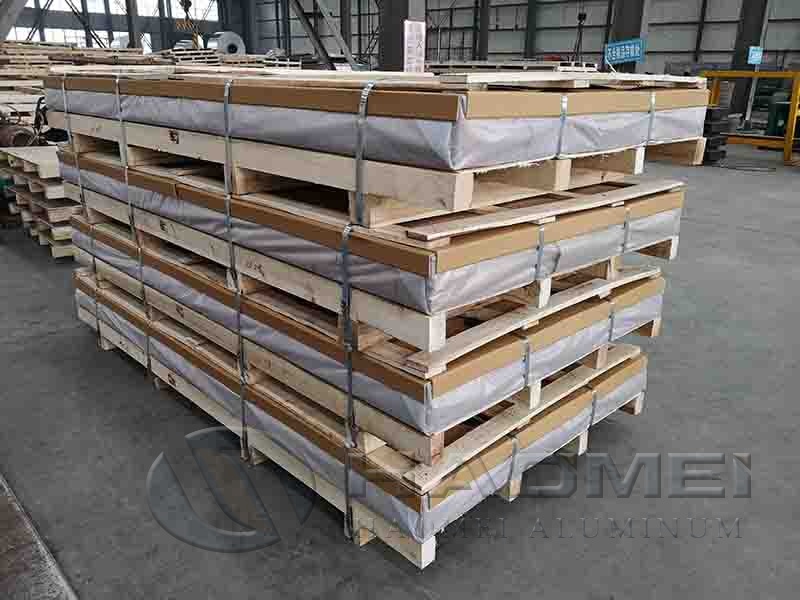
For sheet and plate sourcing, provide the application rather than only stating "marine use." Useful details include component name, drawing thickness, width and length, cutting tolerance, one-side protective film requirement, edge condition, and certification needs. For tanks, also identify the stored medium and operating temperature. For hull structures, identify whether the plate is intended for bottom shell, side shell, deck, transverse frame, or internal bulkhead.
Using excess thickness can add unnecessary weight and increase forming difficulty. Using insufficient thickness can cause oil-canning, fatigue issues, distortion after welding, or failure to satisfy design rules. Final thickness should be confirmed by a qualified naval architect, structural engineer, or the governing classification requirement.
4. Can 5083 H111 be welded, and which filler wire is normally used?
5083 H111 has very good weldability using common arc welding methods, including MIG and TIG. For marine fabrication, ER5183 and ER5356 filler wires are often considered because their chemistry is compatible with 5xxx-series aluminum alloys. The final filler selection should follow the welding procedure specification and required joint properties.
The heat-affected zone next to a weld can soften because strain hardening is reduced by welding heat. This is especially important when designing around H111, H116, or H321 tempers. The welded joint should therefore be assessed by its post-weld condition, not only by the parent sheet strength listed on the certificate.
To reduce welding problems, maintain clean surfaces, remove oil and moisture, use dedicated stainless steel brushes for aluminum, control heat input, and support wide panels properly. Excessive heat may increase distortion, while insufficient cleaning can cause porosity. If appearance matters, plan weld sequence and fixturing before cutting sheets.
5. Should I choose 5083 H111 or 5086 for a marine project?
Both 5083 and 5086 are aluminum-magnesium alloys valued in marine environments, but they are not identical. 5083 commonly offers higher strength and is frequently used where structural performance is important. 5086 is also highly corrosion resistant and can be an effective option for hull plating, tanks, and marine fabrications where its available dimensions and mechanical properties fit the design.
The choice should be based on the required temper, thickness range, fabrication method, certification scope, and design strength. For example, a formed panel may favor a material and temper with better forming latitude, while a highly loaded structural plate may prioritize specified minimum mechanical values.
When comparing quotations, ensure both materials are offered on the same basis: identical thickness, temper, standard, plate width, certificate type, and surface condition. A lower price can be misleading if one offer excludes classification documentation or supplies a different temper. Where 5086 is specified by drawings or engineering documents, use an approved 5086 aluminum plate product rather than substituting alloy grade without written technical approval.
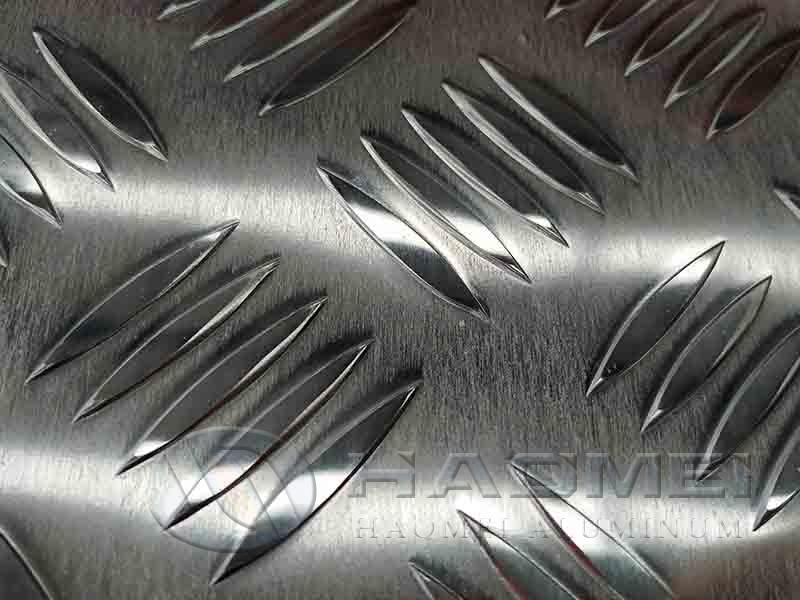
For walkways, engine-room floors, ramps, and non-slip deck zones, tread plate may also be considered. Its raised pattern improves traction, but the base alloy, thickness, flatness requirement, drainage layout, and welding details still need to match the marine service environment.