

Marine Grade Aluminum For Sale
One procurement concern: corrosion performance you can verify
For vessels, offshore structures, and waterfront equipment, corrosion performance is the cost driver you can control at purchase. For marine grade aluminum for sale, that means verifying alloy and temper to the right standard, then confirming corrosion and mechanical properties through test reports and receiving inspection. For adjacent seawater systems, seamless stainless steel pipe requires the same discipline on grade, testing, and documentation.
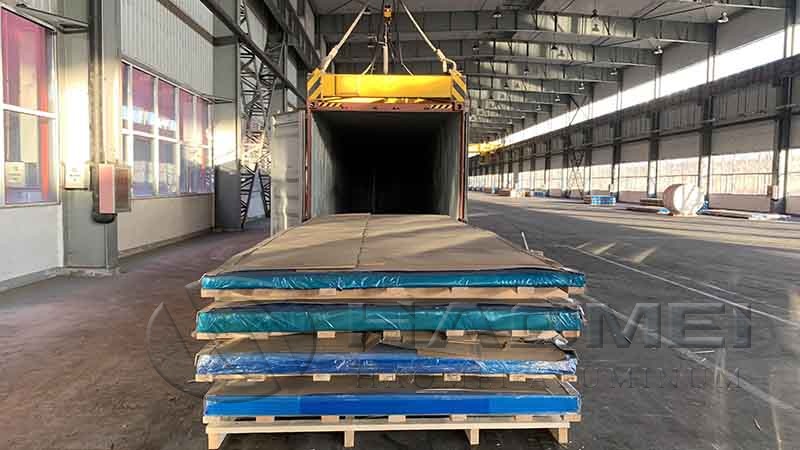
What "marine grade aluminum" means in standards terms
In marine service, "marine grade" is usually shorthand for specific wrought aluminum-magnesium alloys (5xxx series) that deliver high resistance to seawater corrosion and good weldability. Common selections include 5083, 5086, 5456, and 5059.
Use standards language on purchase orders:
- Wrought product standards (typical): ASTM B928/B928M for high-magnesium alloys intended for marine service (plate, sheet, coil). ASTM B209/B209M is widely used for general sheet/plate but does not focus on marine-specific corrosion controls the same way.
- Mechanical property basis: temper such as H116, H321 (marine-focused for certain alloys), or H111 depending on thickness and forming.
Why temper matters
For 5xxx alloys, temper is tightly tied to susceptibility to intergranular corrosion and exfoliation in marine environments. That is why H116 and H321 are frequently specified in shipbuilding and offshore specifications.
Comparison table: aluminum options and typical use
| Item | Typical alloys / tempers | Where it fits | Corrosion verification focus | Common pitfalls |
|---|---|---|---|---|
| Plate for hulls, decks, superstructures | 5083-H116/H321, 5086-H116/H321, 5456-H116 | Structural panels, fatigue-sensitive zones | Exfoliation/IGC control per applicable marine plate standard; confirm Mg range and temper | Substituting a general-purpose temper; mixed heats within one lot |
| Profiles / extrusions | 6xxx (e.g., 6061/6082) plus 5xxx where available | Frames, stiffeners, non-immersed structures | SCC/corrosion performance depends on alloy and service; require anodizing/paint system where needed | Assuming 6xxx equals "marine grade" without coating plan |
| Welding wire | 5xxx filler (e.g., 5183, 5356, 5556 per WPS) | GMAW/MIG, GTAW | Match filler to base metal and service temperature; verify chemistry and diameter | Wrong filler increases cracking or reduces strength |
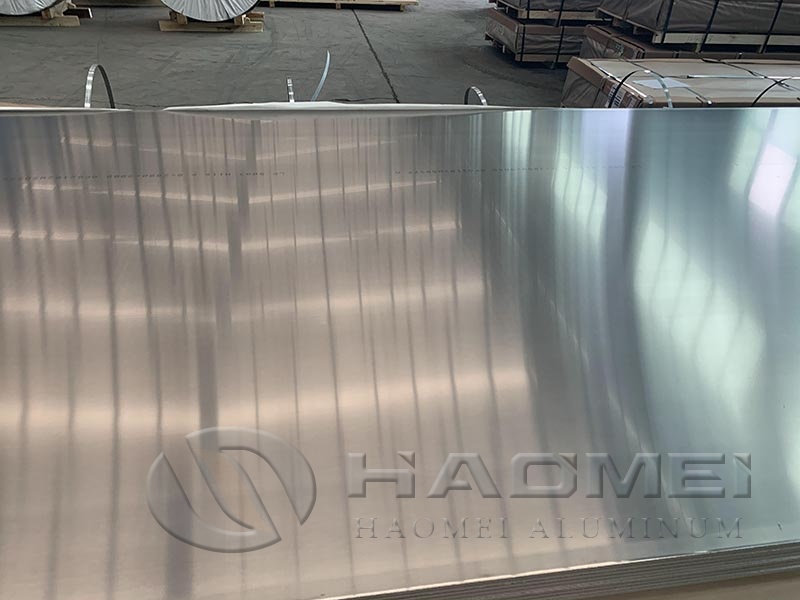
To specify plate precisely in documentation, use a product keyword that matches your requirement, such as 5083 aluminum plate where strength and seawater resistance are priority.
Required testing and documentation (what to ask suppliers for)
Request a complete documentation package per shipment. Minimum items that can be verified at receiving:
1) Material Test Report (MTR) with traceability
Checklist:
- Heat number and lot number tied to each bundle/plate
- Chemical composition (Mg, Mn, Cr limits are critical in 5xxx)
- Mechanical properties (tensile, yield, elongation) by thickness range
- Temper designation and product standard (e.g., ASTM B928/B928M)
2) Corrosion-related tests (when applicable)
For marine service plate, the product standard or project spec may require additional corrosion controls (commonly exfoliation and/or intergranular corrosion evaluation). You should:
- State in the PO: corrosion testing method and acceptance criteria per the governing standard or project spec
- Ensure test frequency is defined (per heat, per lot, or per rolling batch)
3) Dimensional and surface inspection reports
- Thickness tolerance, flatness, camber, and squareness for CNC cutting and panel fit-up
- Surface condition limits (scratches, laminations, edge cracks)
Receiving inspection: practical steps for large-volume orders
Use a short, repeatable incoming inspection to reduce rework and welding delays.
-
Identity check: confirm each piece is labeled with heat/lot; cross-check to MTR.
-
Dimensional sampling: measure thickness at multiple points and verify flatness on a reference table for large sheets.
-
Visual surface check: look for roll marks, edge splitting, and pitting. Quarantine any suspect plates before cutting.
-
Hardness spot-check (optional): use portable hardness to flag potential temper mismatch (screening only, not a substitute for tensile tests).
-
Weld trial coupon (for critical builds): run a short production-representative weld coupon to verify distortion, porosity tendency, and post-weld appearance before releasing the lot.
If welding is in scope, include filler metal procurement and lot control early. For procurement alignment, source compatible consumables such as Alu Welding Wire that matches your qualified WPS/PQR.
Seamless stainless steel pipe in marine systems: what to control
Aluminum structures and stainless piping frequently coexist on ships and offshore platforms (cooling, seawater lines, hydraulics, firewater). The main procurement risk is selecting a stainless grade that pits or crevices in chloride service.
Standards and typical grades
- Product standard: ASTM A312/A312M is commonly used for seamless and welded austenitic stainless pipe; verify "seamless" if required.
- Common grades: 316/316L is widely used for marine atmospheres and splash zones due to improved pitting resistance versus 304. Duplex grades (e.g., 2205) are often specified for higher chloride exposure, but must match project corrosion design.
What to request on stainless pipe MTR
- Chemical composition including Mo (for 316/316L) and N (for duplex)
- Mechanical properties and solution anneal condition (as applicable)
- NDE requirements if specified (e.g., hydrostatic test, eddy current or ultrasonic where required by code/spec)
- PMI (Positive Material Identification) program statement or third-party PMI at receiving for critical service
Avoiding galvanic problems at interfaces
When stainless piping attaches near aluminum structure, specify isolation measures in the installation package:
- Non-conductive gaskets/sleeves where appropriate
- Coating system continuity on aluminum near fasteners
- Drainage and crevice control to prevent trapped seawater
Sourcing selection checklist (use in RFQ and technical evaluation)
Include the following in your RFQ to make offers comparable:
- Alloy, temper, thickness range, and governing standard (e.g., 5083-H116 to ASTM B928)
- Plate size plan and cutting tolerances (especially for wide plates)
- Required corrosion tests and reporting frequency
- Traceability rules: piece marking, bundle maps, and MTR format
- Packaging: interleaving, edge protection, seaworthy export packing, and humidity control
- Claim process: quarantine method, lead time for replacement, and acceptance sampling plan
What to compare across suppliers (numbers you can audit)
| Evaluation item | What "good" looks like | How to verify |
|---|---|---|
| Standard compliance | ASTM/EN standard explicitly listed on MTR and packing list | MTR review and label match |
| Heat/lot discipline | No mixed heats within one marked lot (unless disclosed) | Bundle maps, markings, warehouse audit |
| Corrosion control | Corrosion test results reported when specified | MTR attachments and third-party reports |
| Dimensional capability | Flatness and thickness consistency for your nesting plan | Receiving measurements and cut yield |
| Quality system | Documented corrective actions and traceable claims handling | Supplier QMS docs and prior claim records |
If your application is deck plating, hull plating, or other seawater-exposed structural panels, specify alloy and temper explicitly rather than accepting generic "marine aluminum." This is the fastest way to keep corrosion performance consistent across multi-shipment contracts.