

5356 Filler Rod
Main Concern
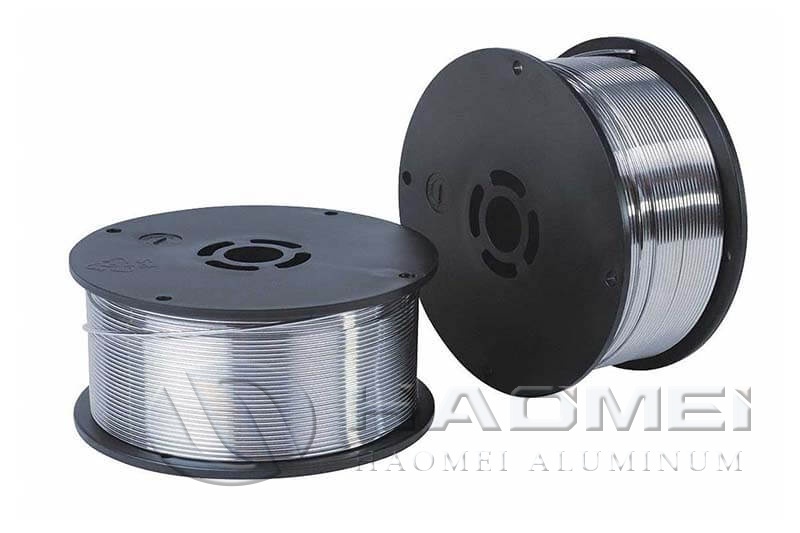
For shipyards and marine fabricators, the main concern with 5356 filler rod is not only weld strength. It is whether the weld remains corrosion-resistant in seawater after forming, welding, cleaning, and years of cyclic loading. ER5356, also known under ISO 18273 as S Al 5356 or AlMg5Cr(A), is a magnesium-bearing aluminum filler commonly used on 5xxx marine alloys.
Its typical role is welding 5083, 5086, 5456, 5052, 6061, and 6082 aluminum structures such as hull panels, decks, gangways, tanks, railings, and workboat superstructures. Compared with silicon-based 4043 filler, ER5356 usually offers higher as-welded strength and better color match after anodizing, which matters for visible marine fabrications.
Alloy Fit
ER5356 is not universal. The wrong filler can pass visual inspection and still create corrosion, cracking, or service-temperature problems later. Use the filler only after confirming base alloy, service temperature, finishing method, and classification requirements.
| Base material | Common marine use | ER5356 suitability | Practical note |
|---|---|---|---|
| 5083 | Hulls, tanks, offshore parts | Strong fit | Widely used for strength and seawater performance |
| 5086 | Hull plating, small craft | Strong fit | Good match for corrosion-resistant fabrication |
| 5052 | Sheet parts, covers, panels | Fit | Often selected when strength is preferred over 4043 |
| 6061 | Frames, masts, fittings | Conditional | Good for color match; procedure qualification is important |
| 6082 | Structural extrusions | Conditional | Check design code and temper loss near weld |
| 7075 | Highly stressed parts | Not typical | Usually considered unweldable by fusion methods for structural service |
One caution is service temperature. Aluminum-magnesium alloys and fillers with more than about 3% Mg are generally not preferred for prolonged service above about 65°C because of stress-corrosion concerns in some 5xxx conditions. For exhaust-adjacent structures, engine-room brackets, or heated tanks, engineering review is needed before approving ER5356.
Specification Check
A professional purchase specification should refer to recognized standards, not only diameter and packing. AWS A5.10/A5.10M covers bare aluminum and aluminum-alloy welding electrodes and rods. ISO 18273 provides international filler classification. Procedure work may also reference AWS D1.2 for structural aluminum welding, ASME Section IX for procedure qualification, or class society rules such as ABS, DNV, LR, or BV when the vessel is classed.
| Item to verify | Typical requirement | Why it matters |
|---|---|---|
| Classification | ER5356 / S Al 5356 | Confirms alloy family and intended use |
| Magnesium range | About 4.5-5.5% Mg under AWS chemistry limits | Supports strength and corrosion behavior |
| Diameter | TIG rods commonly 1.6, 2.4, 3.2 mm | Controls heat input and deposition rate |
| Certificate | EN 10204 3.1 or mill test certificate if required | Supports traceability audits |
| Surface | Clean, bright, dry, no oil | Reduces porosity risk |
| Packaging | Sealed tubes or cartons with batch labels | Prevents moisture and mix-up |
For projects that use both TIG cut lengths and spooled MIG feed, matching chemistry across consumables reduces procedure variation; consistent Alu Welding Wire supply is especially important when welding long hull seams or repetitive extrusion assemblies.
Weld Procedure
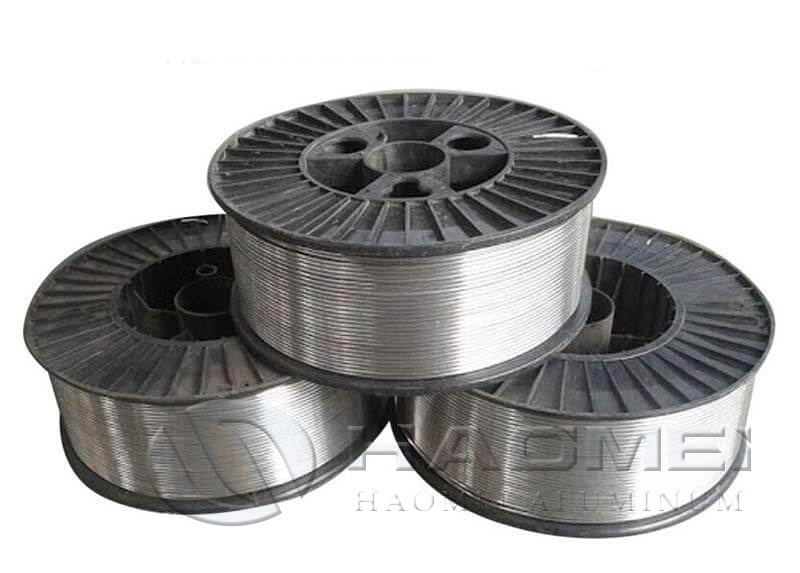
Most marine weld failures linked to filler selection are actually process-control failures. Aluminum oxide melts at a much higher temperature than aluminum, so cleaning and shielding are not optional steps.
Use this sequence before production welding:
Confirm base alloy markings against drawings and certificates.
Store rods dry and closed until use.
Degrease joint faces with a compatible solvent before brushing.
Remove oxide with a stainless brush dedicated only to aluminum.
Use high-purity argon shielding gas; increase coverage for outdoor work.
Control interpass temperature according to the qualified procedure.
Record filler batch, welder ID, machine setting, and inspection result.
Common defects and direct corrections:
| Defect | Likely cause | Corrective action |
|---|---|---|
| Porosity | Moisture, oil, poor gas coverage | Dry consumables, clean joint, check gas flow and leaks |
| Black smut | Oxide or contaminated surface | Improve cleaning and shielding angle |
| Hot cracking | Wrong filler or restraint | Review filler selection and joint design |
| Lack of fusion | Low heat input or poor technique | Adjust travel speed, amperage, and joint preparation |
| Soft HAZ | Heat-treatable base alloy temper loss | Account for reduced design strength after welding |
Cost Drivers
The price of ER5356 rod is influenced by aluminum metal value, magnesium content, conversion cost, diameter, packaging, certification, and logistics. Aluminum is globally traded on the London Metal Exchange in USD per metric ton, while regional premiums and energy costs affect local pricing. Rod and wire add melting, casting, drawing, straightening, cleaning, cutting, and packing costs above primary aluminum value.
| Cost factor | Impact on delivered price | Control method |
|---|---|---|
| LME aluminum movement | High | Use quotation validity windows tied to market dates |
| Magnesium and alloying additions | Medium | Specify standard ER5356 chemistry, avoid unnecessary custom limits |
| Small diameter rods | Medium | Higher drawing and handling cost per kg |
| Certification package | Low to medium | State required certificates at inquiry stage |
| Air freight | High | Reserve for shutdown or repair work only |
| Batch segregation | Medium | Consolidate sizes while keeping traceability intact |
For annual supply, many shipyards use indexed pricing: LME aluminum average plus regional premium plus fixed conversion charge. This reduces argument during volatile cycles and makes budget revisions easier when aluminum markets move.
Supply Chain
Marine aluminum supply chains can tighten when yacht, ferry, defense, LNG, and offshore projects rise at the same time. Welding consumables may become constrained faster than plate because qualified filler cannot be substituted casually once a welding procedure is approved.
A reliable sourcing plan should include:
Approved manufacturer list by class or project.
Minimum two qualified sources for each diameter.
Batch traceability from rod package to weld map.
Shelf and storage rules for opened tubes.
Compatibility review when switching between ER5356 brands.
Trial welding before production acceptance.
Do not approve a new source only by chemical certificate. Run bend tests, macroetch checks, fillet break tests, or project-specified procedure tests where required. A rod that feeds or wets differently can change welder productivity and defect rate even when chemistry is compliant.
Stainless Interfaces
Many marine builds combine aluminum structures with seamless stainless steel pipe for fuel, hydraulic, exhaust, ballast, or fire systems. ER5356 is not used to weld aluminum directly to stainless steel. Direct fusion welding between aluminum and stainless creates brittle intermetallic compounds.
Use mechanical isolation instead:
| Interface | Recommended practice | Reason |
|---|---|---|
| Aluminum bracket to stainless pipe | Rubber-lined clamps or isolating pads | Reduces galvanic corrosion |
| Deck penetration | Sleeved fitting with sealant system | Prevents crevice attack and leakage |
| Fasteners | Insulated stainless bolts with washers | Limits galvanic coupling |
| Pipe support | Drainable design | Avoids trapped seawater |
Galvanic design matters because aluminum is more anodic than stainless steel in seawater. If the metals are electrically connected in a wet environment, aluminum loss can accelerate around fasteners, supports, and weld toes.
Inspection Plan
Before releasing welded marine aluminum parts, apply inspection that matches service risk. Visual inspection alone is not enough for pressure tanks, lifting parts, critical hull seams, or classed vessels.
| Inspection step | Standard practice | Acceptance focus |
|---|---|---|
| Visual test | Before, during, after welding | Profile, undercut, crater cracks, cleanliness |
| Dye penetrant | Non-porous surface defect check | Cracks and open porosity |
| Radiography | Tanks and critical butt welds | Internal porosity and lack of fusion |
| Bend test | Procedure qualification | Ductility and soundness |
| Macroetch | Procedure development | Penetration and fusion profile |
| Salt exposure review | Marine design validation | Crevices, drainage, coating compatibility |
For purchasing control, require each rod package to show alloy, diameter, batch number, net weight, manufacturer, and standard reference. Keep unopened retained samples from major production batches when the project involves class approval, warranty exposure, or repeat vessel series.