

Al 5052 Material Properties
AL 5052 is a non-heat-treatable aluminum-magnesium alloy selected when corrosion resistance, bendability, and stable supply matter more than maximum hull strength. For marine fabricators, the main concern is usually simple: will the material survive saltwater exposure while still forming cleanly without cracking?
The practical answer is yes for cabinets, covers, ladders, light deck parts, brackets, tank panels, pipe supports, and formed enclosures. For primary hull plating or classed high-load structures, 5083, 5086, 5059, or 5383 may be required instead.
Why 5052
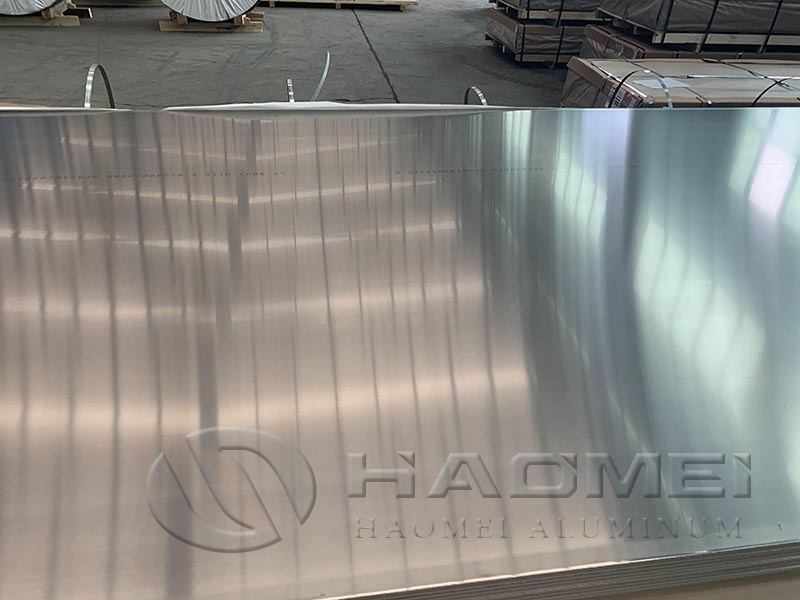
5052 belongs to the 5xxx aluminum series. Its magnesium content gives it better marine corrosion resistance than 3003 and better forming behavior than many stronger alloys. It is not strengthened by heat treatment; strength comes from strain hardening tempers such as H32 and H34.
A practical feature worth prioritizing is bend reliability. In marine workshops, scrap loss often comes from edge cracking during press brake work. 5052-H32 is widely used because it balances useful strength with predictable bending, especially when grain direction and inside bend radius are controlled.
Use 5052 aluminum plate when parts require frequent forming, moderate strength, and saltwater corrosion resistance under ASTM B209 or EN 485 supply conditions.
Property Data
The values below are typical published ranges from aluminum producer data sheets and standards-based references. Final values depend on temper, thickness, test direction, and applicable standard.
| Property | 5052-O | 5052-H32 | 5052-H34 | Practical meaning |
|---|---|---|---|---|
| Density | 2.68 g/cm³ | 2.68 g/cm³ | 2.68 g/cm³ | About one-third the weight of carbon steel |
| Elastic modulus | 70 GPa | 70 GPa | 70 GPa | Deflection is higher than steel at equal section size |
| Tensile strength | 170-215 MPa | 210-260 MPa | 235-285 MPa | H34 is stronger but less formable |
| Yield strength | about 65 MPa | about 160 MPa | about 180 MPa | Use certified test reports for design values |
| Elongation | 12-25% | 4-12% | 4-10% | Lower elongation means tighter bends need caution |
| Melting range | 607-649 °C | 607-649 °C | 607-649 °C | Welding heat input must be controlled |
| Electrical conductivity | about 35% IACS | about 35% IACS | about 35% IACS | Useful for grounding parts, not busbar duty |
Composition
AA 5052 chemistry is controlled by Aluminum Association limits and product standards such as ASTM B209.
| Element | Typical limit, wt.% | Function |
|---|---|---|
| Magnesium | 2.2-2.8 | Corrosion resistance and strain-hardened strength |
| Chromium | 0.15-0.35 | Grain control and corrosion performance |
| Silicon | max 0.25 | Impurity control |
| Iron | max 0.40 | Impurity control |
| Copper | max 0.10 | Kept low to protect corrosion resistance |
| Manganese | max 0.10 | Minor addition limit |
| Zinc | max 0.10 | Impurity control |
| Aluminum | balance | Base metal |
Low copper is important in seawater. Higher copper aluminum alloys can lose corrosion performance in marine atmospheres, especially around salt spray and bilge moisture.
Marine Fit
5052 is a strong candidate for auxiliary marine fabrication, not a universal replacement for shipbuilding plate.
| Application | 5052 suitability | Watch point |
|---|---|---|
| Instrument cabinets | Excellent | Specify anodized or coated finish if exposed |
| Hatch covers | Good | Check stiffness, not only yield strength |
| Fuel or freshwater tanks | Common | Confirm fluid compatibility and welding procedure |
| Deck tread panels | Good | Use correct temper and anti-slip pattern |
| Pipe clamps and supports | Good | Electrically isolate from stainless pipe if wet |
| Primary hull plate | Limited | Class rules often favor 5083 or 5086 |
| High-load welded girders | Limited | Heat-affected zone softening reduces strength |
For classed vessel structures, confirm requirements with ABS, DNV, LR, or the project classification society before substituting 5052. ASTM B928 is often referenced for high-magnesium marine hull sheet and plate; 5052 is more commonly purchased to ASTM B209 for general sheet and plate.
Alloy Comparison
| Material | Strength | Corrosion | Forming | Welding | Typical marine role |
|---|---|---|---|---|---|
| 5052-H32 | Medium | Very good | Excellent | Good | Formed panels, covers, supports |
| 5083-H116 | High | Excellent | Fair | Excellent | Hulls, decks, structural plate |
| 5086-H116 | Medium-high | Excellent | Fair-good | Excellent | Hulls and superstructures |
| 6061-T6 | Medium-high | Moderate-good | Moderate | Good, loses T6 strength near weld | Machined parts, frames |
| 316L seamless stainless pipe | High stiffness | Excellent in many marine fluids | Not comparable | Weldable | Piping, pressure service, process lines |
When a project combines aluminum structures with seamless stainless steel pipe, plan galvanic isolation. Use non-absorbent gaskets, coated clamps, drainage gaps, and compatible fasteners. Wet stainless in direct electrical contact with aluminum accelerates aluminum attack.
For structural marine plate alternatives, 5083 aluminum plate is usually reviewed when strength and class acceptance outweigh tight-radius forming.
Processing Steps
- Confirm duty: cosmetic panel, load-bearing bracket, tank wall, or pipe support.
- Select temper: O for deep forming, H32 for general formed parts, H34 for higher strength with reduced bendability.
- Define thickness tolerance under ASTM B209, EN 485, or project standard.
- Set grain direction notes for press brake parts.
- Use minimum bend radius from the mill data sheet for the exact thickness and temper.
- Deburr cut edges before forming to reduce crack initiation.
- Separate stainless steel, copper alloys, and carbon steel from bare aluminum in wet zones.
Welding Choice
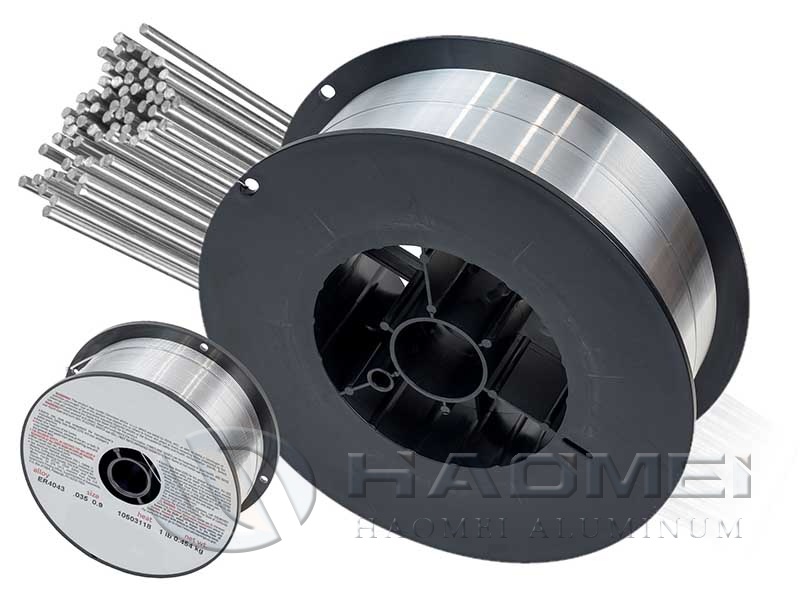
5052 is weldable by GTAW and GMAW. Common filler choices include 5356 and 5554, depending on service temperature, anodizing appearance, and design requirements. 5183 is normally associated with higher-strength 5xxx alloys such as 5083, not the default choice for every 5052 assembly.
| Welding issue | Practical control |
|---|---|
| HAZ softening | Design using as-welded strength, not only parent metal strength |
| Porosity | Store filler dry, clean oxide, remove oil and salt |
| Distortion | Use balanced weld sequence and fixturing |
| Galvanic corrosion | Avoid mixed-metal crevices with stainless pipework |
| Certification | Keep WPS, PQR, welder qualification, and EN 10204 3.1 MTCs |
Cost Control
Aluminum quotes usually move with public LME aluminum cash or 3-month prices, plus regional premiums, conversion cost, freight, packaging, and cutting charges. LME prices are published daily, while Midwest, European, or Asian physical premiums vary by region and contract basis.
For 5052, cost is often lower than high-spec marine 5083-H116 plate but higher than commodity 3003 sheet. The commercial risk is not only unit price. Thickness tolerance, flatness, PVC film, edge condition, and certificate type can change landed cost and workshop yield.
Request quotations in the same structure each time:
| Cost item | What to specify |
|---|---|
| Metal basis | LME average period or fixed price date |
| Premium | Region and currency |
| Conversion | Sheet, plate, coil, slit strip, or cut-to-size |
| Standard | ASTM B209, EN 485, or JIS H4000 |
| Certificate | EN 10204 3.1 or mill test certificate |
| Surface | Mill finish, brushed, anodized, coated, or PVC film |
| Packing | Seaworthy pallets, moisture barrier, edge protection |
Inspection Checklist
Use this checklist before accepting material into marine production:
- Alloy and temper match the purchase order and MTC.
- Chemical composition shows Mg 2.2-2.8% and Cu max 0.10%.
- Tensile values meet the specified temper and thickness range.
- Sheet surface is free from black corrosion spots, trapped moisture, and deep handling scratches.
- Flatness and thickness tolerance match ASTM B209 or EN 485 acceptance limits.
- Protective film adhesive does not leave residue after storage.
- Cut edges are suitable for bending without lamination or burrs.
- Aluminum is stored away from stainless steel grinding dust and carbon steel contamination.
- Packing includes desiccant or moisture control for sea freight.
- Heat numbers are traceable from bundle labels to certificates.
Specification Text
Use clear wording in purchase documents to avoid substitution disputes:
| Line item | Recommended wording |
|---|---|
| Material | Aluminum alloy 5052, temper H32, sheet or plate |
| Standard | ASTM B209 or EN 485, latest agreed edition |
| Certificate | EN 10204 3.1 with chemistry and mechanical properties |
| Surface | Mill finish, PVC one side if required |
| Fabrication note | Suitable for bending; grain direction marked when cut-to-size |
| Marine note | For non-primary structural marine components unless class approval states otherwise |
| Packing | Export seaworthy packing with moisture protection and bundle identification |