

Extruded Aluminum Boat Gunnel
Extruded aluminum boat gunnel parts are showing up in a lot of recent DIY refit threads and repair questions because they solve multiple problems at once: they stiffen the sheer line, create a clean edge to mount rub rail or caps, and provide a straight reference for decks and side panels.
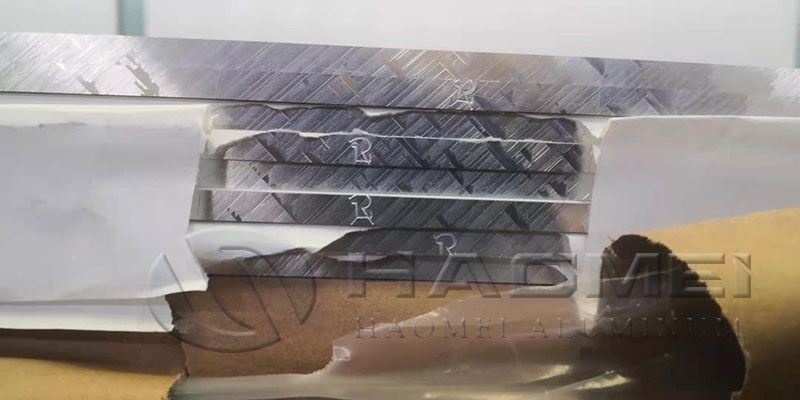
Below are 5 of the most-asked English questions seen repeatedly across Google, Quora, and boating forums recently, with practical answers focused on what matters to someone planning a purchase or spec.
1. What alloy is best for an extruded aluminum boat gunnel: 6061, 6063, or 5083?
For gunnel extrusions, the most common choices are 6061-T6 and 6063-T5 or T6.
- 6061-T6 is the go-to when you want higher strength and better thread holding for fasteners and accessories. It is widely available and weldable, though welding will soften the heat-affected zone unless you design around it.
- 6063 is popular for complex shapes and a smoother finish. If you need crisp cosmetic edges, tighter radii, or more elaborate channels, 6063 is often easier to extrude well.
- 5083 is a top marine alloy for plate and forming, but it is not a typical extrusion alloy. If someone recommends "5083 gunnel extrusion," double-check whether they actually mean side plate or cap made from 5083 rather than an extrusion.
Practical selection rule: choose 6061 when the gunnel will carry loads (cleats, rod holders, lifting points), choose 6063 when the profile geometry and surface finish are the priority.
2. How do I size a gunnel extrusion so it fits my hull and does not oil-can or warp?
Sizing is less about "one standard gunnel" and more about matching stiffness and mounting geometry to your hull.
What to measure before requesting a quote
- Sheer length and curvature: The tighter the radius, the more you need either roll-forming capability or segmented installation.
- Side plate thickness and height: A tall side panel benefits from a gunnel with a deeper vertical leg or an internal channel to resist flex.
- Mounting method: Riveted gunnels need enough flange width for edge distance. Welded gunnels need a joint that is accessible and tolerant to distortion control.
Typical failure modes and how sizing prevents them
- Wavy sheer line after install: Often caused by forcing a stiff extrusion onto a curved hull without pre-bending.
- Local dents near stanchions or cleats: Profile may be too thin or lacking internal webs.
- Oil-canning of side panels: A gunnel that is too light does not provide a stiff top boundary.
A quick sanity check: if you plan to hang multiple accessories from the gunnel, favor a profile with at least one closed or semi-closed section (box or C-channel behavior) rather than a flat angle-like shape.
3. Should I weld the extruded aluminum gunnel or rivet and seal it?
Both work, but they solve different problems.
| Method | Best for | Pros | Watch-outs |
|---|---|---|---|
| Welding | New builds, heavy-duty workboats | Clean look, fewer fasteners, higher rigidity | Heat distortion, softening near weld, needs good fit-up |
| Rivet and seal | Retrofits, mixed materials, thin side panels | Less distortion, easier field repair, simple tools | Sealant quality is critical, periodic inspection |
If you are retrofitting an older hull with unknown stress history, riveting plus a marine-grade sealant is often safer because it adds stiffness without heat input. If you are building from scratch and can control jigs and sequence, welding can produce a very rigid sheer structure.
When welding 6061, consider designing the profile so the weld is not located where peak bending loads occur. Many builders also add local doublers at high-load mounting points instead of relying on the softened heat-affected zone.
4. How do I prevent corrosion between a gunnel extrusion and stainless hardware or a rub rail track?
Most "gunnel corrosion" questions are really about galvanic corrosion and trapped moisture.
Steps that work in real-world marine use
- Isolate dissimilar metals: Use nylon or UHMW washers, isolating sleeves, or a barrier tape between stainless bolts and aluminum. This is especially important where stainless sits in a wet crevice.
- Control crevices: The worst corrosion often starts under a track or inside a channel that stays wet. Design drain paths and avoid sealing water into a cavity.
- Choose the right coating approach:
- For cosmetics and protection, anodizing can be excellent on 6xxx extrusions.
- For rugged service, a marine paint system can work if surface prep is correct.
- Use the right fastener practice: Over-tightening can crack coatings and squeeze out sealant, creating a crevice that stays wet.
If your gunnel is also acting as a rub rail mount, consider a profile that lets you mount the rail without making a permanent water-trap channel.
For extrusion-specific sourcing and shapes, many builders start by comparing standard Aluminum Boat Extrusions rather than designing a custom die immediately.
5. Can I replace a damaged gunnel with a different profile, or must it match the original exactly?
You can replace it with a different profile, but you should treat it as a structural change.
When a different profile is fine
- The original gunnel was mostly a cosmetic cap.
- You are using the new extrusion as an upgrade, adding stiffness and better mounting geometry.
- You can maintain similar or improved section stiffness and fastener edge distances.
When matching matters
- The gunnel ties into frames, decks, or windshield structures with tight interfaces.
- The original extrusion was part of the hull's torsional stiffness.
- Accessories rely on the original track geometry.
A practical approach is to bring a cross-section sketch of your current gunnel (including flange widths and channel depth) and then select the closest standard profile. If you cannot find a close match, a custom die may be justified, but buyers often reduce cost by modifying an existing profile and adjusting the rub rail or cap details.
If you are integrating the gunnel with other structural members, it also helps to coordinate with standard marine alumium profile shapes used for braces, coamings, or deck edging.
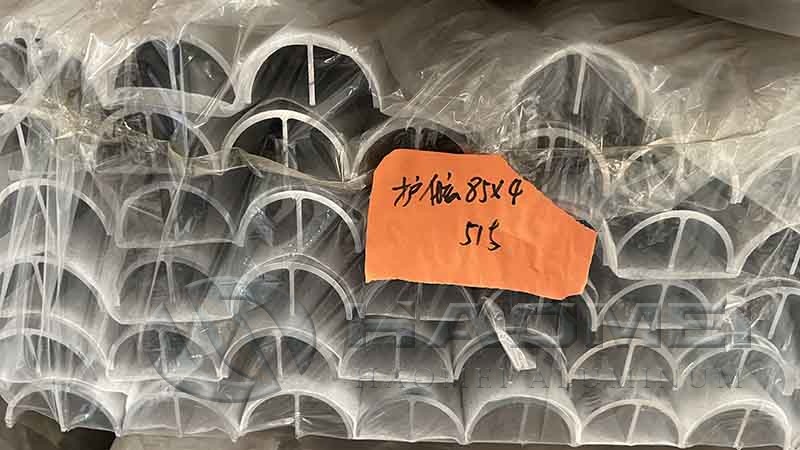
Quick checklist before ordering an extruded aluminum boat gunnel
| Item to confirm | Why it matters |
|---|---|
| Alloy and temper (6061-T6 vs 6063-T5/T6) | Strength, finish, bendability, weld behavior |
| Profile wall thickness and internal webs | Dent resistance, stiffness, screw retention |
| Curvature plan (pre-bend, segmented, or straight) | Avoids forced fit and wavy sheer line |
| Joining method (weld vs rivet and seal) | Distortion risk, serviceability |
| Corrosion isolation plan | Prevents galvanic and crevice corrosion |
These are the same points that keep recurring in recent Q&A threads because they determine whether a gunnel replacement feels like a clean upgrade or an ongoing maintenance issue.