

Marine Grade Aluminum 5083
Holiday shutdowns, year-end marina maintenance windows, and pre-season vessel refits can compress an entire material schedule into a few weeks. For hull repairs and new-build sections, the main risk is not simply receiving aluminum on time. It is receiving a 5xxx-series product with the correct temper, traceable certification, and corrosion resistance for the planned service environment.
Marine grade aluminum 5083 is widely specified for welded hull structures, decks, tanks, and superstructures because it combines high magnesium content with strong corrosion performance in marine atmospheres. Its practical advantage during a holiday repair window is reduced uncertainty: properly specified sheet can be cut, formed, and welded without introducing an avoidable material-substitution problem.
Make Corrosion Control the Holiday Repair Priority
The top concern for 5083 material is resistance to seawater corrosion after fabrication, especially where welded structures will remain wet, coated, insulated, or exposed to elevated temperatures. This is why the temper and product standard matter as much as the alloy designation.
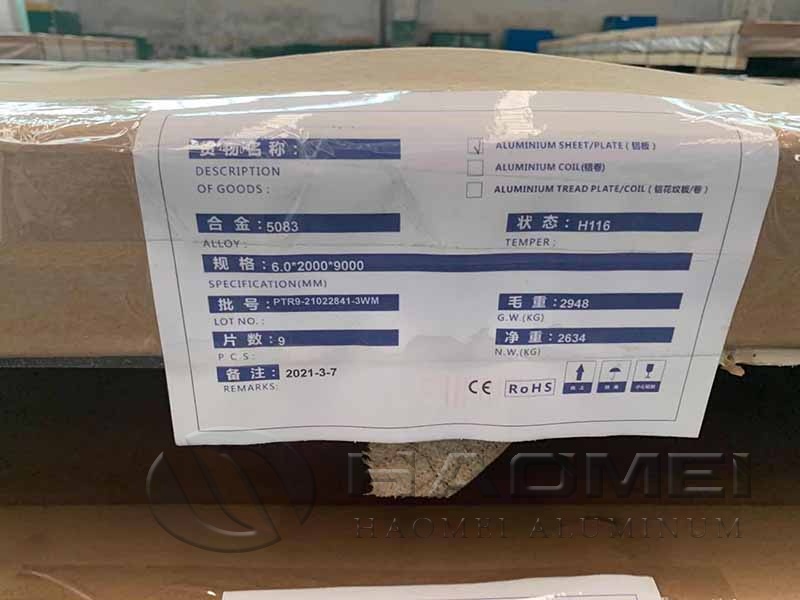
ASTM B928/B928M covers high-magnesium aluminum-alloy sheet and plate intended for marine service and similar environments. It includes requirements designed to address exfoliation corrosion and stress-corrosion cracking resistance in applicable 5xxx-series materials. For many marine structural applications, H116 and H321 are the tempers commonly requested because they are associated with controlled processing for improved corrosion performance.
Do not assume that every 5083 sheet marked as "marine grade" has the same documentation or suitability. Ask for the exact standard, temper, dimensions, and mill test certificate before material is released for fabrication.
| Verification item | What to request | Why it matters during a short repair window |
|---|---|---|
| Alloy identification | EN AW-5083 or ASTM alloy designation on certificate | Confirms the delivered chemistry matches the approved material plan. |
| Product standard | ASTM B928/B928M where specified by the project | Supports marine-service sheet or plate requirements. |
| Temper | H116 or H321, if required by drawings or class rules | Helps manage corrosion-performance expectations for high-magnesium alloy. |
| Mechanical properties | Tensile and yield results, plus elongation | Confirms formability and structural design inputs. |
| Traceability | Heat number, certificate number, and piece marking | Prevents mix-ups when holiday staffing is limited. |
| Surface condition | Dry, protected, and free from standing water or chlorides | Reduces the chance of corrosion staining before fabrication. |
For a hull replacement panel, specify the product in one line: alloy, temper, standard, thickness, width, length, quantity, certificate requirement, and required delivery date. For example: "5083-H116 sheet, ASTM B928/B928M, mill test certificate required." A complete line item prevents purchasing staff, fabricators, and inspectors from interpreting the request differently.
An 5083 aluminum plate option is appropriate when drawings call for heavier structural sections. Plate, sheet, and formed parts should all be checked against the same project specification rather than selected only by thickness availability.
Build a Coordinated Material Package, Not an Isolated Sheet Order
A holiday repair becomes difficult when the hull sheet arrives but compatible welding consumables, profiles, or corrosion-resistant pipe components do not. Coordinate materials around the work sequence: cutting and fit-up first, welding next, then outfitting and piping.
| Work package | Material to align | Practical control point |
|---|---|---|
| Hull plating and deck repairs | 5083 sheet or plate in specified temper | Confirm nesting sizes before cutting allowances are finalized. |
| Stiffeners and fabricated supports | Marine aluminum profiles | Verify section geometry, straightness, and compatible alloy requirements. |
| MIG or TIG welding | Qualified filler wire, often selected under the approved welding procedure | Match filler selection to the WPS/PQR; do not substitute wire based on stock alone. |
| Seawater or process piping | Pipe fittings and seamless stainless steel pipe where specified | Separate stainless and aluminum storage areas to avoid embedded iron contamination. |
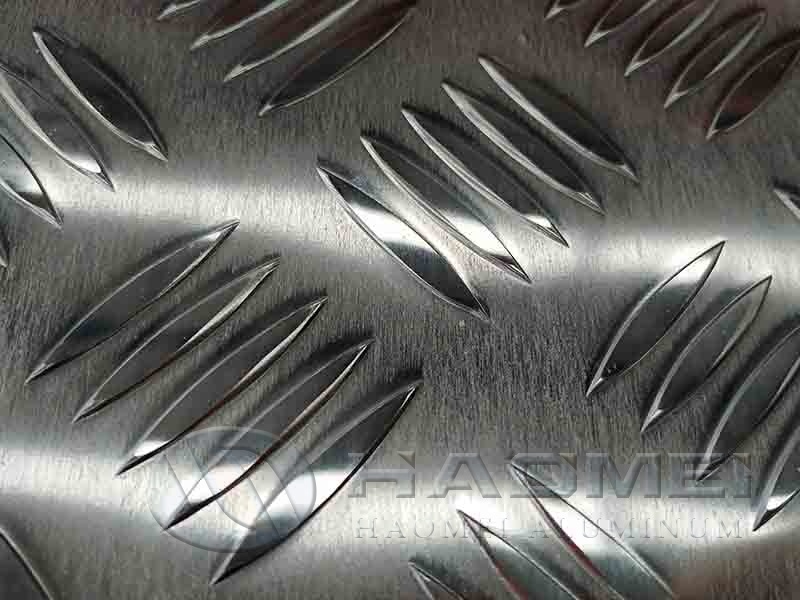
| Walkways and access surfaces | Aluminum tread plate where slip resistance is needed | Confirm pattern, thickness, and drainage layout before installation. |
For welded aluminum structures, the approved welding procedure specification controls filler metal, heat input, shielding gas, joint preparation, and inspection requirements. A commonly used filler alloy for 5083 applications is 5183, but the correct selection depends on the applicable welding procedure, service temperature, design code, and project requirements. Material suppliers should provide certificates for welding wire when traceability is requested.
If a design requires a different high-strength marine alloy, an 5086 aluminum plate may be evaluated against the drawing and engineering requirements. It is not an automatic replacement: thickness, temper, strength, weldability, corrosion behavior, and class approval requirements must be reviewed by the responsible engineer.
Avoid galvanic-corrosion problems at interfaces. Aluminum placed in electrical contact with stainless steel, carbon steel, copper alloys, or wet carbon deposits can corrode faster when an electrolyte such as seawater is present. Use approved isolation details, compatible fasteners, sealants, drainage paths, and coating systems specified for the assembly. Keep grinding dust from carbon steel away from aluminum surfaces.
Use a Holiday Delivery and Inspection Checklist
Holiday schedules introduce carrier cutoffs, limited receiving teams, reduced inspection coverage, and longer response times for nonconforming material. Treat the delivery date as a controlled project milestone, not an estimate.
Before release
Confirm final dimensions, tolerances, temper, and applicable standard against the latest drawing revision.
Request mill test certificates before dispatch when the project needs advance document review.
Confirm packaging protects sheet edges and surfaces from water ingress, salt exposure, and forklift damage.
Schedule delivery before the site receiving closure, with a named contact for unloading.
Reserve dry indoor storage or covered racking. Do not trap moisture between stacked sheets.
At receipt
Match piece markings and heat numbers to the certificate.
Check thickness, width, length, flatness, edge condition, and visible surface damage.
Photograph packaging damage before unloading if water exposure or impact is suspected.
Quarantine any material with missing certificates, incorrect temper markings, or unexplained surface contamination.
Record accepted quantities immediately so fabrication planning reflects actual available stock.
Before welding and installation
Confirm the WPS is approved for the joint and base material condition.
Remove salt, moisture, grease, and shop debris from joint areas.
Use dedicated stainless steel brushes and aluminum-only tooling where required to prevent cross-contamination.
Maintain drainage and access for inspection around lap joints, brackets, and dissimilar-metal interfaces.
For regulated vessels, material acceptance may also be governed by flag-state requirements, classification society rules, contract specifications, or standards such as ISO 12215-5 for small craft structural design. These requirements vary by vessel type and service. Certificates, inspection records, and welding documentation should therefore be reviewed against the project's stated authority, not against a generic marine claim.
A properly controlled 5083 material package turns a narrow holiday maintenance period into an executable repair plan: certified alloy, documented temper, compatible fabrication inputs, protected storage, and a receiving process that catches problems before cutting begins.